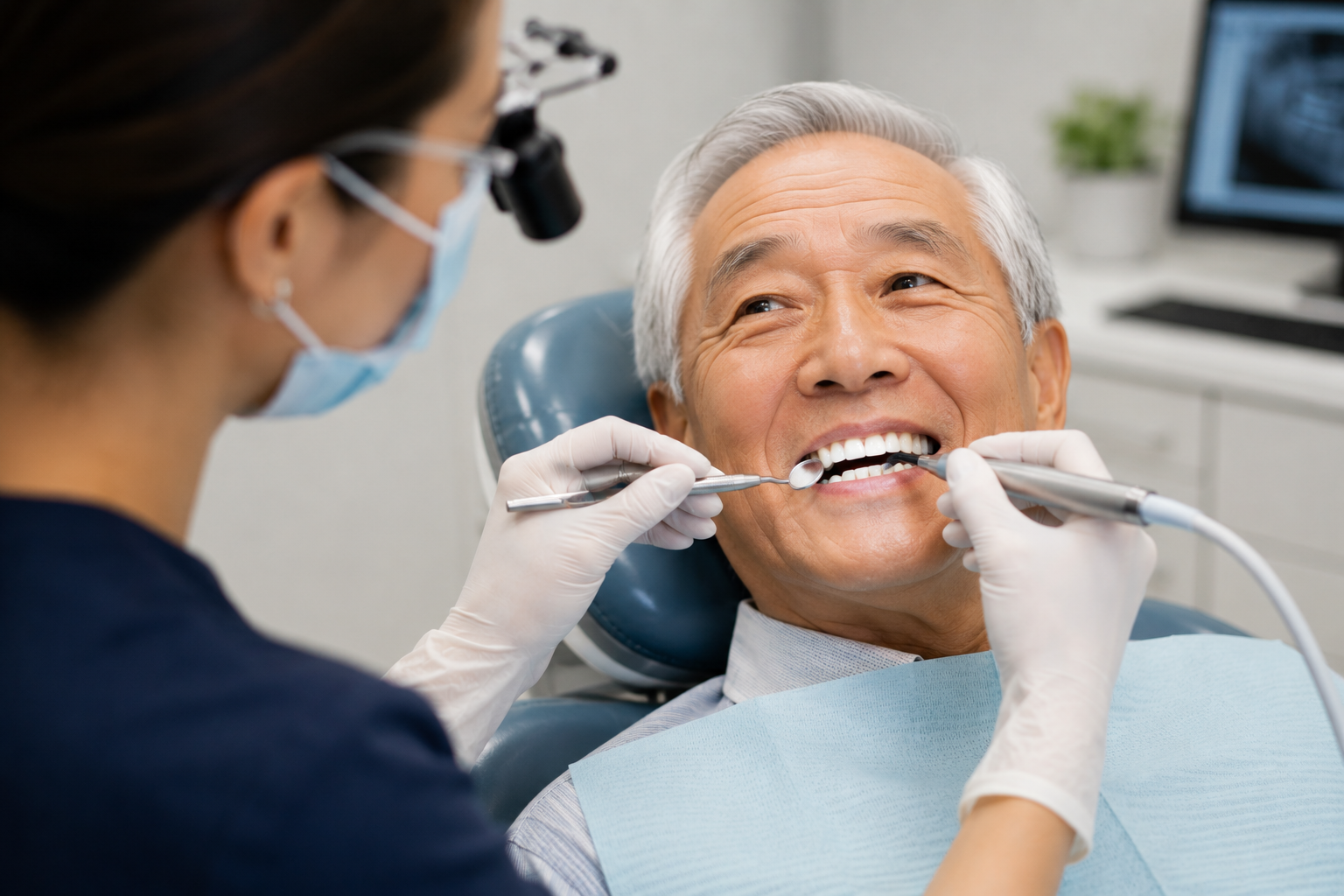
You've had professional teeth cleanings twice a year for as long as you can remember, but you may not know everything that your hygienist does during these visits and why it matters for your long-term oral health.
Dental examination
A cleaning appointment typically begins with an assessment of your teeth, gums, and oral soft tissues. The dentist or hygienist looks for signs of decay, gum disease, or other concerns. This initial check provides important context before any cleaning begins and helps identify areas that may need extra attention.
Digital X-rays
Dental radiographs are an essential part of preventive care. They allow us to see what cannot be observed with the naked eye, including decay between teeth, bone levels, and changes below the gumline. Most patients benefit from X-rays once or twice a year, though those who are more prone to decay may be recommended to have them more frequently.
Plaque and tartar removal
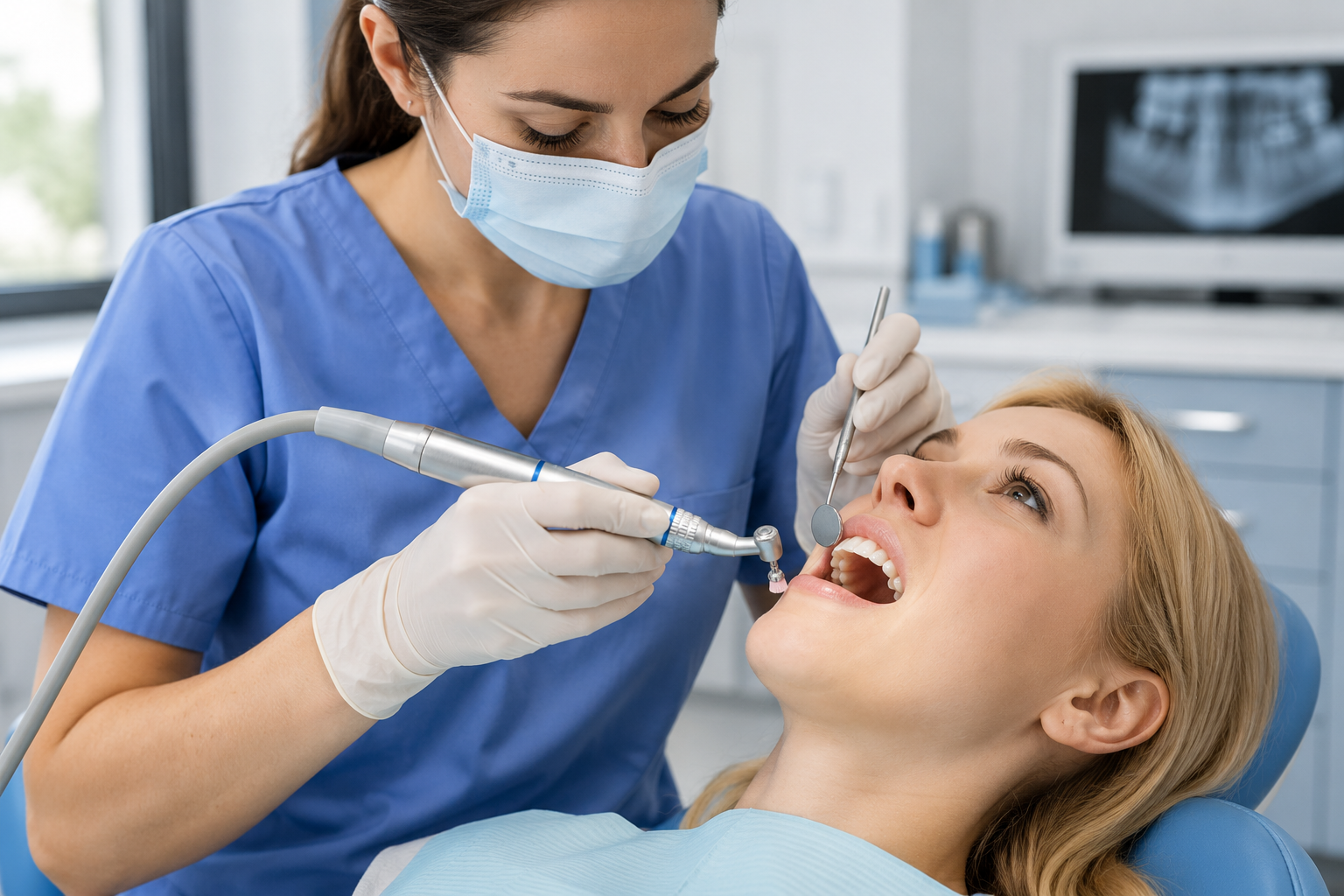
Using a combination of ultrasonic instruments and hand scalers, your hygienist removes the plaque and tartar that have built up on your teeth, particularly in hard-to-reach areas like below the gumline and between teeth. Even with excellent brushing and flossing habits, mineral deposits can accumulate over time and need professional removal.
If your gums are inflamed, some light bleeding during this step is normal and typically improves as gum health is restored with regular care.
Tooth polishing
After scaling, your hygienist uses a special abrasive paste and a rubber polishing cup to remove surface stains and biofilm from your teeth. This leaves your teeth feeling smooth and looking cleaner, and makes it slightly harder for plaque to re-adhere quickly.
Professional flossing
Your hygienist will floss between all of your teeth to remove any remaining debris. This is also a good opportunity to get personalized advice about your home flossing technique, and to learn about tools like floss threaders or interproximal brushes if they might be helpful for you.
Oral cancer screening
A brief oral cancer screening is typically included as part of your visit. This involves a visual and physical examination of the head, neck, and mouth to check for any unusual changes in the soft tissues. When detected early, many oral health concerns are far easier to address.
Supplemental treatments
Depending on your individual needs, your hygienist or dentist may recommend supplemental treatments at the end of your cleaning. Fluoride treatments and dental sealants are two options that are commonly discussed, particularly for patients who are more prone to cavities.
Regular cleanings are one of the most effective things you can do for your oral health. If it has been a while since your last visit, we encourage you to book an appointment at Wildwood Dental Clinic.
Call us at 306.374.7272 or request an appointment online.