
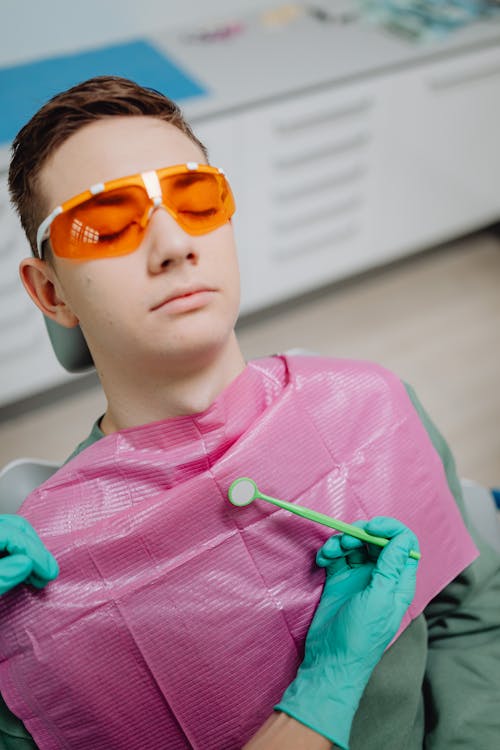
TMJ / TMD Therapy
TMJ Treatment & Night Guards
Jaw pain, headaches, teeth clenching, and clicking joints can all be related to the temporomandibular joint. A range of treatment approaches, from custom appliances to therapeutic injections, can help manage these symptoms.
What is the temporomandibular joint?
The temporomandibular joint (TMJ) is the hinge-like joint that connects your lower jaw to the skull, located just in front of each ear. It allows you to open and close your mouth, chew, and speak. You actually have two TMJs, one on each side, and they work in coordination.
When problems occur with the joint itself, the surrounding muscles, or both, they are collectively referred to as temporomandibular disorders (TMD). TMD is quite common and can range from mild and intermittent to persistent and disruptive.
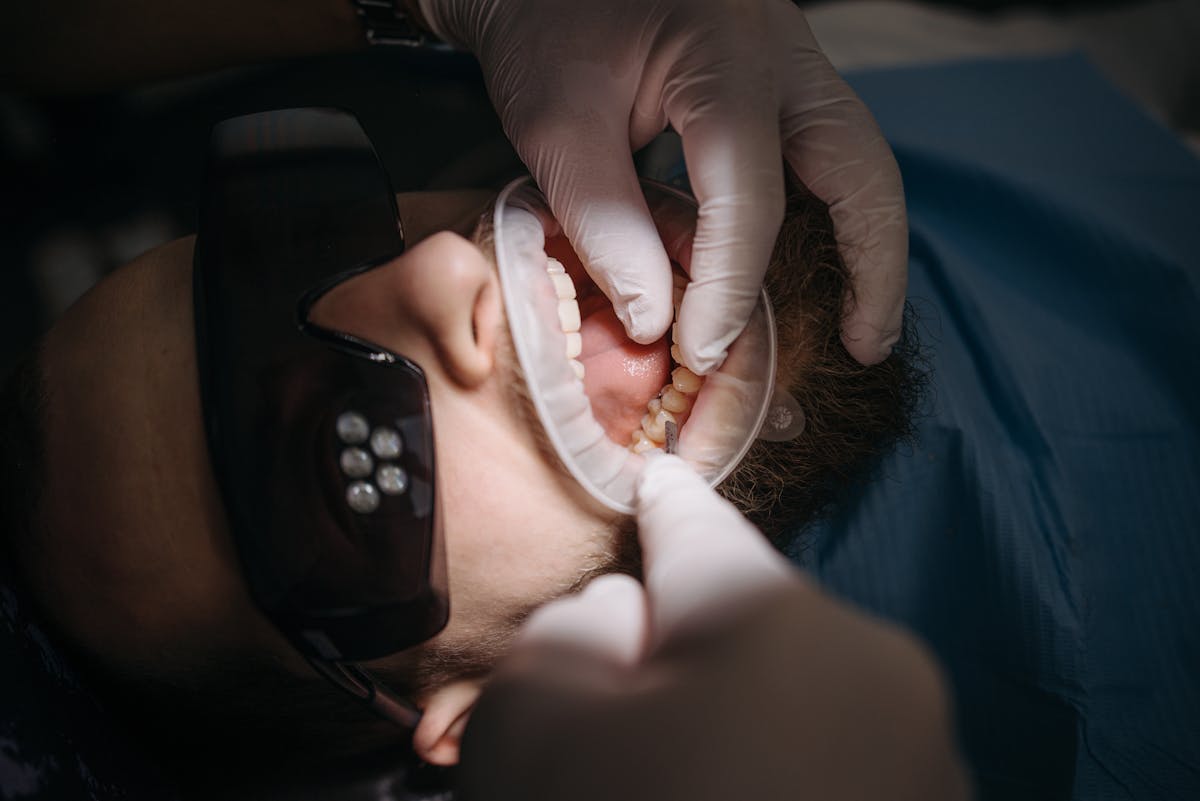
Symptoms of TMD
Symptoms can vary significantly, and some may seem unrelated to the jaw at first. Common signs include:
- Jaw pain or soreness, particularly in the morning or after eating
- Clicking, popping, or grating sounds when opening or closing the mouth
- Difficulty opening the mouth fully, or the jaw locking open or closed
- Headaches, particularly around the temples
- Earaches or a feeling of fullness in the ears (without an ear infection)
- Facial muscle tension or soreness
- Worn, flattened, or sensitive teeth from clenching or grinding (bruxism)
- Neck and shoulder tension
What causes TMD?
TMD is often multifactorial, meaning it results from a combination of contributing factors rather than a single identifiable cause. Common contributing factors include:
- Bruxism (teeth clenching and grinding) , Often occurs during sleep, placing sustained and significant force on the joint and jaw muscles.
- Bite discrepancies , Misalignment in how the upper and lower teeth come together can place uneven stress on the joint.
- Stress and muscle tension , Psychological stress often manifests as jaw clenching, which can aggravate or perpetuate symptoms.
- Injury or trauma , A direct blow to the jaw or a whiplash-type injury can affect the TMJ.
- Joint changes , Some patients develop changes in the joint's internal structure over time.
Treatment approaches
Treatment is tailored to the individual based on the nature and severity of symptoms. Options we discuss and provide include:
Custom night guard (occlusal splint)
A night guard is a custom-fabricated appliance worn over the teeth during sleep. It creates a protective barrier between the upper and lower teeth, preventing the tooth-to-tooth contact that occurs with grinding, and helps reduce the force transmitted to the jaw joint and muscles. Custom guards are fabricated from impressions taken in the clinic and fit far more accurately, and comfortably, than over-the-counter alternatives.
Bite adjustment
In some cases, minor reshaping of specific tooth surfaces can improve how the teeth come together and reduce uneven loading on the joint. This is assessed on a case-by-case basis.
Physiotherapy referral
For patients with significant muscle involvement, referral to a physiotherapist with experience in jaw and craniofacial conditions can complement dental treatment.
Botulinum toxin injections for jaw muscle tension
Botulinum toxin injections into the masseter and temporalis muscles are used therapeutically to reduce the force of clenching and grinding and relieve associated muscle pain. This is an evolving area of dental practice, used here for therapeutic, not cosmetic, purposes. Injections are performed by clinicians trained in this procedure. Effects are temporary and repeat treatments are required to maintain results.
Custom night guards vs. over-the-counter options
Pharmacy night guards, including boil-and-bite types, offer limited precision. Because they do not fit closely to your specific tooth anatomy, they can shift during sleep, create an uneven bite surface, and in some cases increase clenching rather than reduce it.
A custom appliance is fabricated from detailed impressions of your teeth and is designed to distribute force evenly across the dental arch. The result is a more stable, comfortable device that is more likely to be worn consistently.
Have questions about your treatment?
Call 306.374.7272 or book an appointment.