
Oral Surgery
Tooth Extractions
When a tooth cannot be saved through other means, extraction removes it carefully to protect your surrounding teeth and bone. We take every step to keep you comfortable throughout.
Oral surgery procedures at Wildwood Dental Clinic, including tooth extractions, are performed by our general dentist team. Our dentists are not licensed specialists in oral and maxillofacial surgery.
When extraction may be necessary
Extracting a tooth is always a last resort. Our first goal is to find a way to save the tooth, through a filling, crown, root canal treatment, or other restorative approach. Extraction is considered when those options are not viable or when the tooth poses a risk to surrounding teeth or oral health.
Common reasons an extraction may be recommended include:
- Severe decay that has destroyed too much tooth structure to be restored
- Advanced gum disease that has caused significant bone loss around the tooth root
- A fracture that extends below the gumline, making the tooth non-restorable
- Overcrowding before orthodontic treatment, when removing a tooth is needed to create space
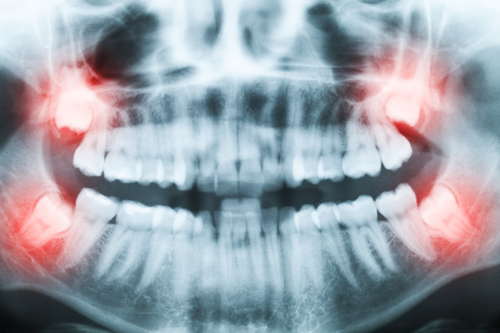
- Impacted teeth, most commonly wisdom teeth, that cannot erupt normally and are causing problems
The extraction process
Before anything begins, the area is thoroughly numbed with local anesthetic. You should feel pressure during the procedure but not sharp pain, if at any point you feel pain, tell us immediately so we can adjust.
Simple extraction
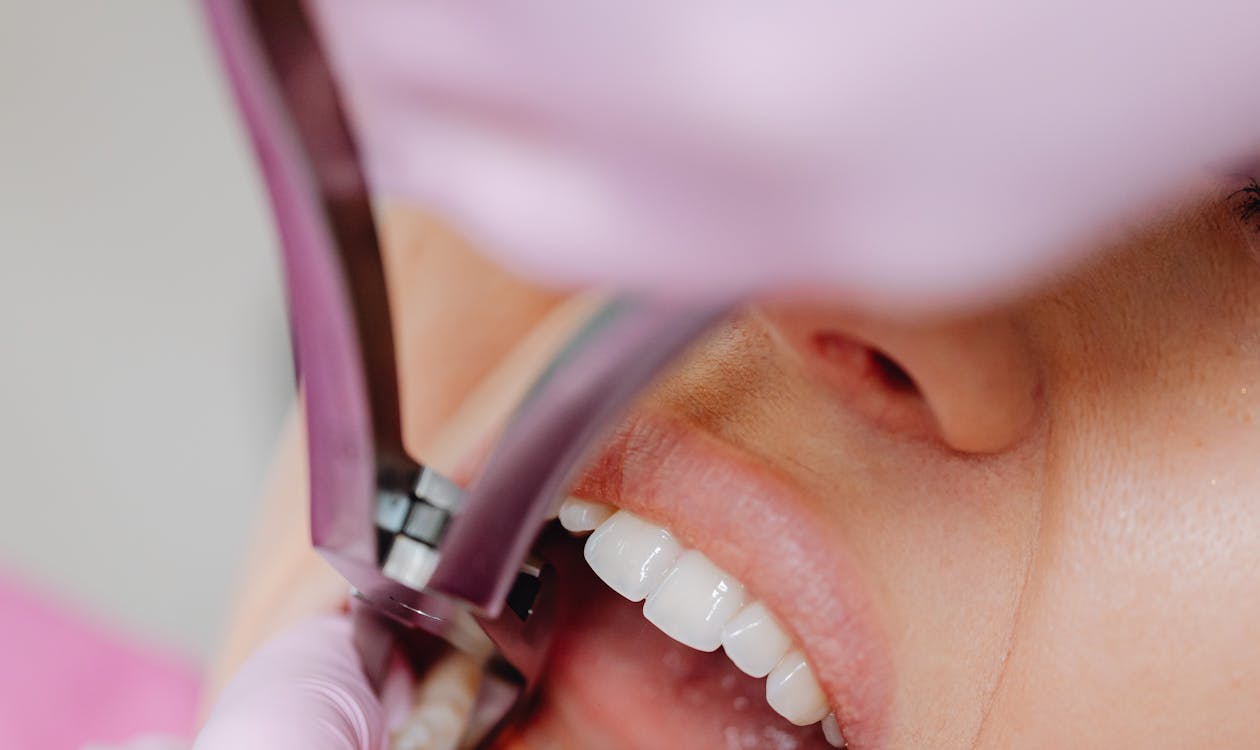
Used when the tooth is fully visible above the gumline and can be loosened and removed with dental instruments. The socket is gently widened, and the tooth is carefully removed.
Surgical extraction
Used when a tooth is broken at or below the gumline, or when it has not fully erupted (as with impacted wisdom teeth). A small incision in the gum tissue may be needed to access the tooth, and the tooth may be divided into sections for easier removal.
After an extraction: the blood clot and healing
After the tooth is removed, a blood clot forms in the socket. This clot is a critical part of the healing process, it protects the bone and nerve endings below while the tissue heals. Dislodging it can lead to a painful condition called dry socket.
For the first 24 hours after extraction, avoid:
- Smoking or using any tobacco products
- Drinking through a straw (the suction can dislodge the clot)
- Vigorous rinsing or spitting
- Hard, crunchy, or chewy foods near the extraction site
Full written post-extraction instructions are provided at your appointment.
Dry socket, what it is and what to do
Dry socket occurs when the blood clot is dislodged or dissolves before the socket has had a chance to heal. It can cause significant pain, often radiating into the jaw or ear, typically starting two to four days after the extraction.
If you suspect dry socket, contact us promptly. It is a manageable condition, we can place a medicated dressing in the socket to reduce discomfort and support healing. Do not attempt to treat it yourself.
Replacing the extracted tooth
In most cases, leaving a gap where a tooth was removed can affect the surrounding teeth over time. Adjacent teeth may gradually drift toward the empty space, and the opposing tooth (the one it bit against) may shift as well. This can affect your bite and make future restoration more complicated.
If tooth replacement is a consideration for you, options may include a dental implant, a fixed bridge, or a removable partial denture. We are happy to discuss these options at your appointment or at a follow-up visit.
Have questions about your treatment?
Call 306.374.7272 or request an appointment online.