
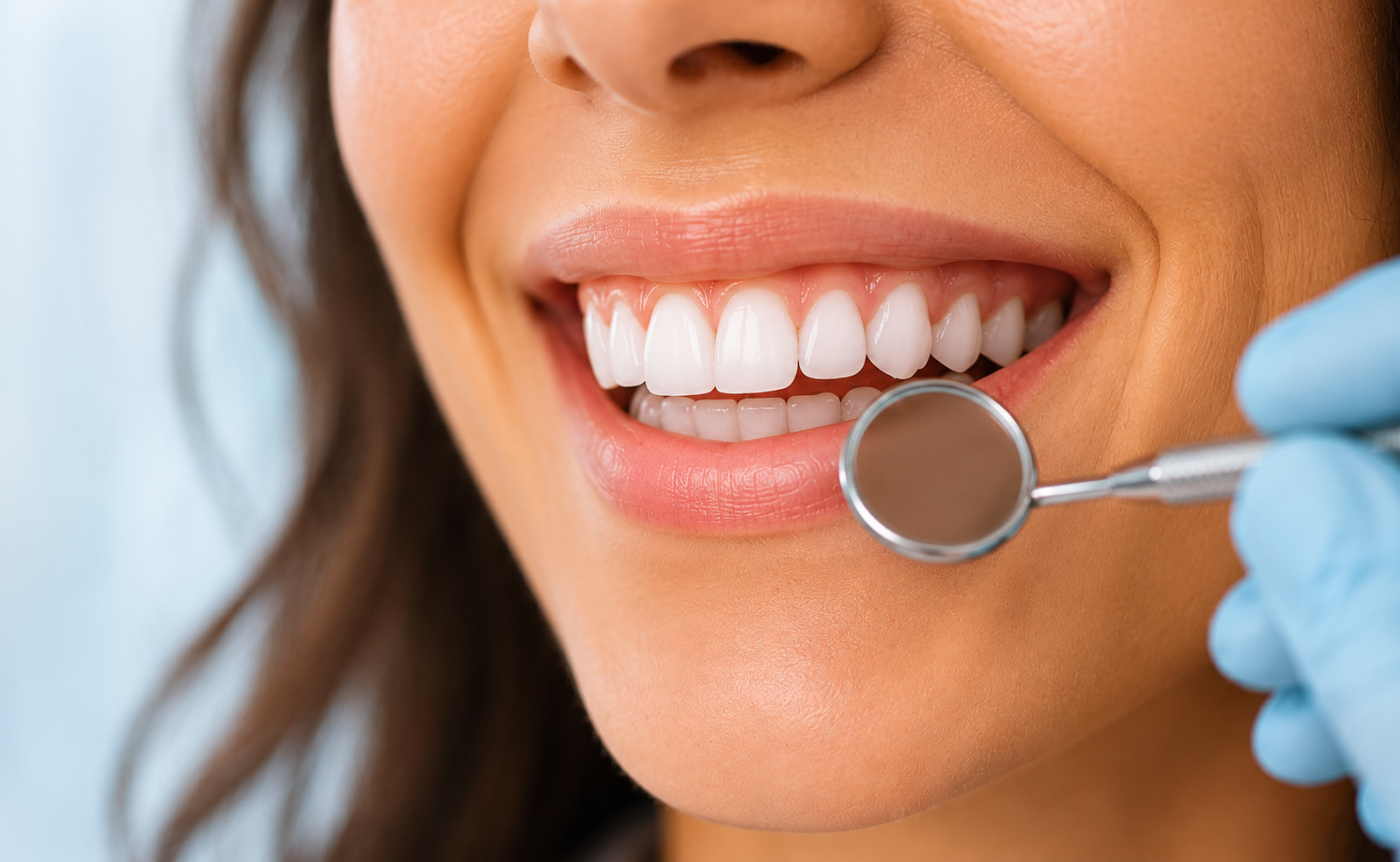
Periodontal Care
Gum Contouring
Gum contouring involves reshaping the gum line by removing or repositioning excess gum tissue. It may be done for oral health reasons, to address hygiene concerns related to gum overgrowth, or to correct gum line irregularities.
What is gum contouring?
Gum contouring is a procedure that reshapes the soft tissue around the teeth by removing excess gum tissue or adjusting the gum line. Depending on the situation, the gum tissue may be trimmed back, repositioned, or both.
The procedure can be done for functional reasons, where excess tissue is creating problems with oral hygiene or tooth exposure, or for appearance-related reasons, where a patient has concerns about the proportion of gum tissue visible when they smile.
Reasons gum contouring may be considered
Oral health and functional reasons
Gum overgrowth, sometimes called gingival hyperplasia, can occur as a result of certain medications, orthodontic treatment, or simply as a natural variation. When gum tissue covers a greater portion of the tooth surface than normal, it can make thorough cleaning more difficult and create areas where plaque accumulates. In these cases, reshaping the gum tissue may improve oral hygiene access and reduce the risk of gum disease in affected areas.
Gum contouring may also be considered in cases where gum recession has affected one area more than another, creating asymmetry that affects function or the stability of the tissue.
Appearance concerns
Some patients have excess gum tissue that covers more of the tooth surface than they would like, affecting the overall proportions of their smile. In cases where this is not a functional concern, gum contouring may still be an option, though it is considered an elective procedure, and a thorough assessment is required to determine whether it is appropriate.
What the procedure involves
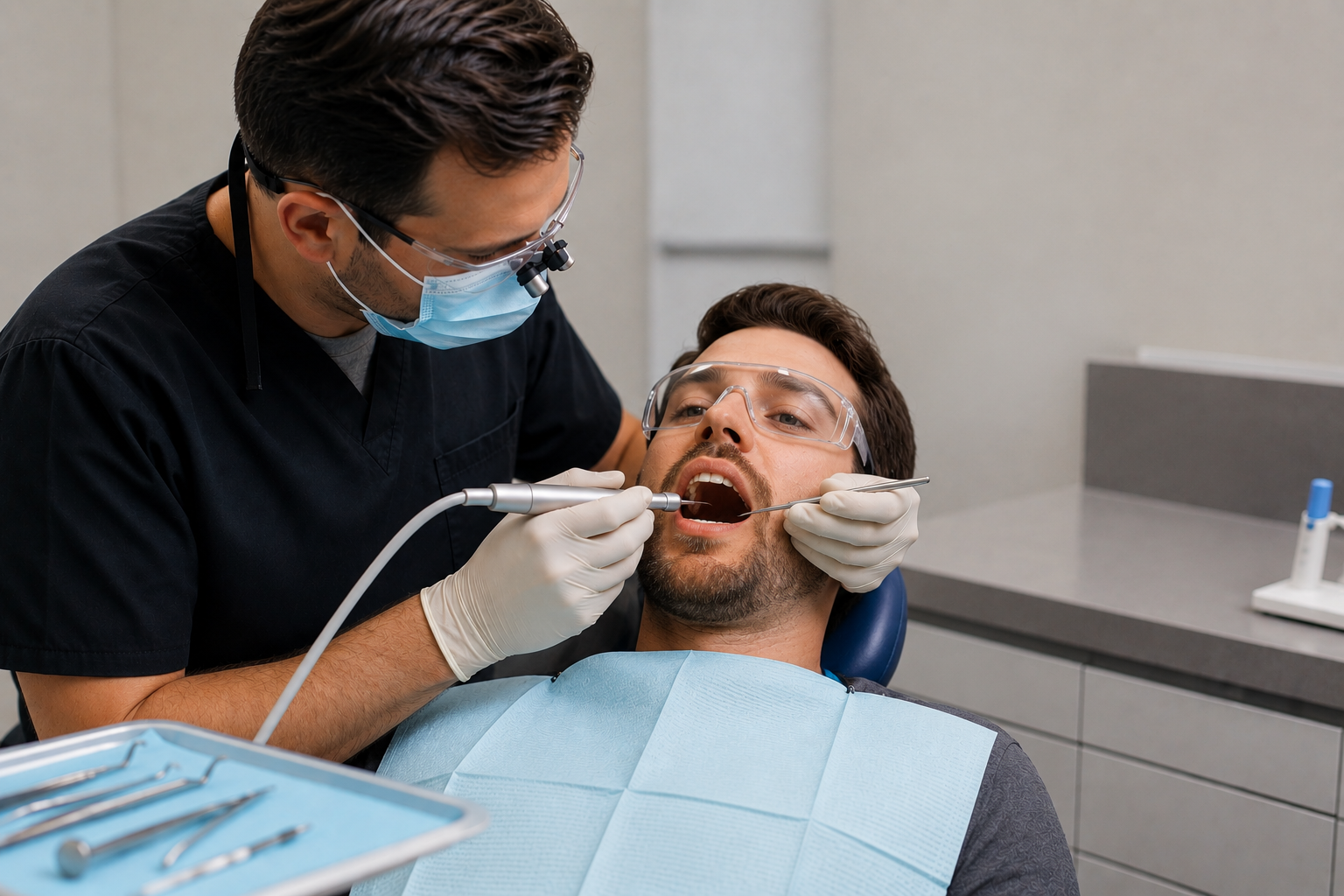
Gum contouring is typically performed in a single appointment. Local anesthetic is used to keep the area comfortable during the procedure. The gum tissue is then carefully reshaped using surgical instruments or, in some cases, a soft tissue laser, the most appropriate technique depends on the extent of the reshaping needed and clinical judgment.
The procedure length varies depending on how many teeth are involved and the degree of reshaping required.
Recovery and healing
Some tenderness and mild swelling in the treated area for a few days after the procedure is common. You will receive detailed instructions for care during healing, including guidance on rinsing, what to avoid, and how to keep the area clean without irritating it.
Soft foods are recommended initially while the tissue heals. Most patients find that the area settles within one to two weeks, though the full tissue response and final appearance take longer to stabilise.
Is gum contouring appropriate for everyone?
Not every patient with gum concerns is a candidate for contouring. A consultation and assessment are required to determine whether the procedure is suitable in your specific situation. Among other factors, any active gum disease must be controlled before contouring is considered, reshaping tissue that is already affected by periodontal disease can lead to complications and poorer outcomes.
At your consultation, we will assess the health of your gums and supporting structures, discuss your concerns, and advise you on the most appropriate course of action, which may or may not include contouring.
About our periodontal services
Periodontal services at Wildwood Dental Clinic are provided by our general dentist team. Our dentists are not licensed specialists in periodontics.
Have questions about gum contouring?
Call 306.374.7272 or book a consultation.